Kaishun Engineering Team | Construction Equipment Content Team | Published: September 5, 2026
An aerial work platform can solve difficult height-access problems, but choosing the wrong type can increase operating costs, reduce productivity, and create unnecessary safety risks. A scissor lift, truck mounted aerial platform, and telescopic boom lift may all reach elevated areas, but each machine is designed for a different working condition.
An aerial work platform (AWP), also known as a mobile elevating work platform, should be selected according to the real job requirement — not only maximum height. Scissor lifts are designed for stable vertical access, truck mounted aerial platforms are designed for mobile elevated work, and telescopic boom lifts are designed for horizontal outreach around obstacles.
Height Is Not the Sorting Criteria — The Limiting Factor Is
Most product categories classify an aerial work platform by maximum working height. While height is an important specification, it is not always the factor that determines whether a machine is suitable for a project.
A 15-meter scissor lift and a 15-meter telescopic boom lift are not interchangeable.
They solve different access problems.
A scissor lift mainly provides vertical elevation. The working platform stays above the machine base, making it suitable for warehouses, factories, indoor installation work, and flat construction surfaces.
A truck mounted aerial platform provides mobility between different locations. It allows contractors to drive the equipment directly to multiple work areas, which is valuable for municipal maintenance, utility service, and infrastructure projects.
A telescopic boom lift provides horizontal outreach. It allows operators to access elevated work areas that cannot be reached directly from below.
Therefore, the key selection factors are usually:
- Ground conditions
- Platform height
- Horizontal reach
- Platform capacity
- Working environment
- Mobility requirements
- Required safety features
- Jobsite access limitations
This guide compares the three major types of aerial work platforms and explains where each design reaches its practical limit.
It also focuses on the aerial access equipment categories that Kaishun Machinery currently supplies:
Scissor Lifts: Vertical Reach, Flat-Floor Dependency
A scissor lift is one of the most common types of aerial work platform used for vertical access.
The lifting mechanism uses crossed arms that extend upward, creating a stable elevated work platform. Unlike a boom lift, a scissor lift does not provide significant horizontal outreach.
This design creates its biggest advantage and its biggest limitation.
The advantage:
A scissor lift provides:
- Stable working platform
- Large platform area
- Good operator visibility
- Efficient vertical access
The limitation:
The machine depends heavily on:
- Level ground
- Stable surface conditions
- Correct load distribution
A self-propelled scissor lift works extremely well in warehouses, factories, commercial buildings, and construction environments where the surface is suitable.
However, placing the same machine on soft soil, uneven terrain, or unstable ground changes the stability conditions.
For outdoor projects with difficult terrain, crawler-mounted aerial platforms may provide a better solution.
Kaishun Scissor Lift Product Range
Kaishun’s self-propelled scissor lift range includes:
| Model Range |
Maximum Working Height |
Maximum Platform Height |
Drive Type |
| PT0406 – PT1416 |
6.2 – 15.8 m |
4.5 – 13.8 m |
Self-propelled |
| PT0608LD / PT1012LD / PT1214LD |
Confirm with Kaishun |
Confirm with Kaishun |
Crawler track |
These machines are designed for applications requiring reliable vertical access.
Typical applications include:
- Building maintenance
- Electrical installation
- Warehouse operation
- Industrial maintenance
- Ceiling installation
- Equipment inspection
- Elevated work areas
Each model includes features such as:
- Proportional control
- Automatic braking
- Emergency lowering
- Tilt protection
- Self-locking platform gate
- Fault diagnosis system
Platform Height vs Working Height: A Common Specification Mistake
One common mistake when comparing an aerial work platform for sale is confusing platform height with working height.
Manufacturers usually quote:
Working height = Platform height + operator reach
The difference is often around 2 meters.
For example:
A machine advertised with a 15.8 m working height does not mean the platform itself reaches 15.8 meters.
For indoor projects, this difference matters.
A buyer measuring a ceiling, roof structure, or installation point should always compare:
- Actual platform height
- Operator working reach
- Required clearance
Otherwise, the selected aerial lift may appear suitable on paper but fail to reach the real work area.
Truck Mounted Aerial Platforms: Mobile Access Without a Self-Propelled Base
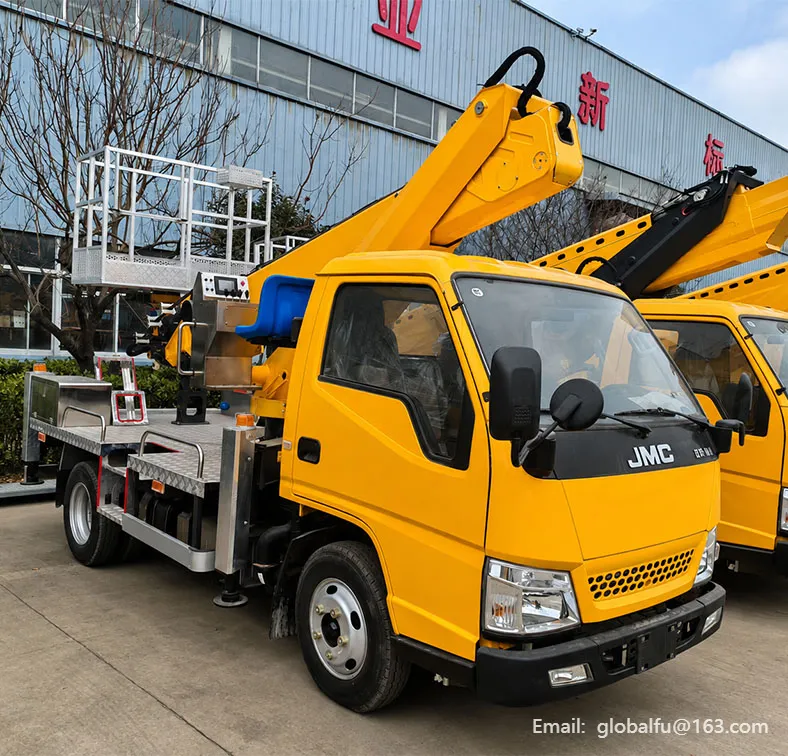
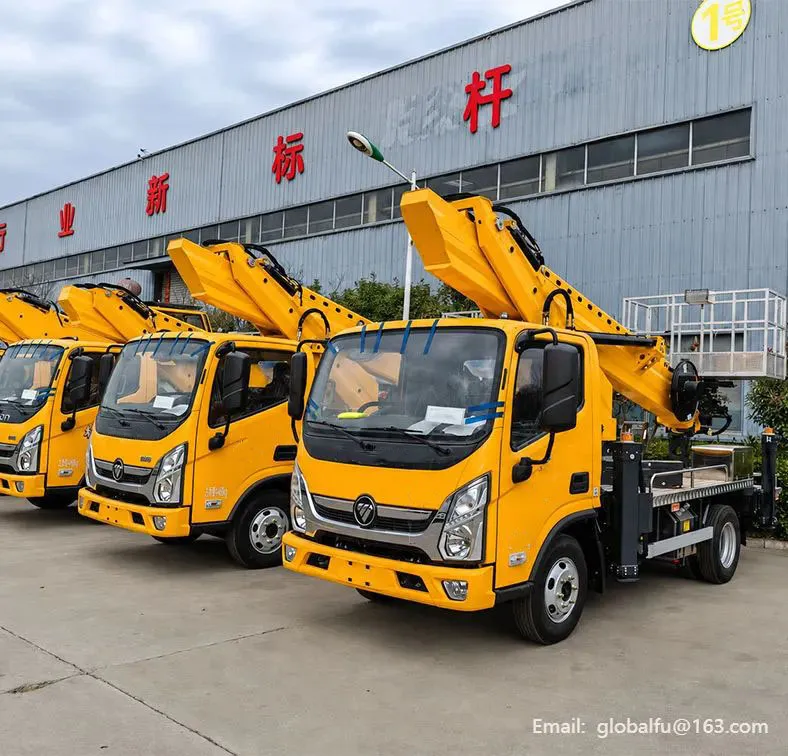
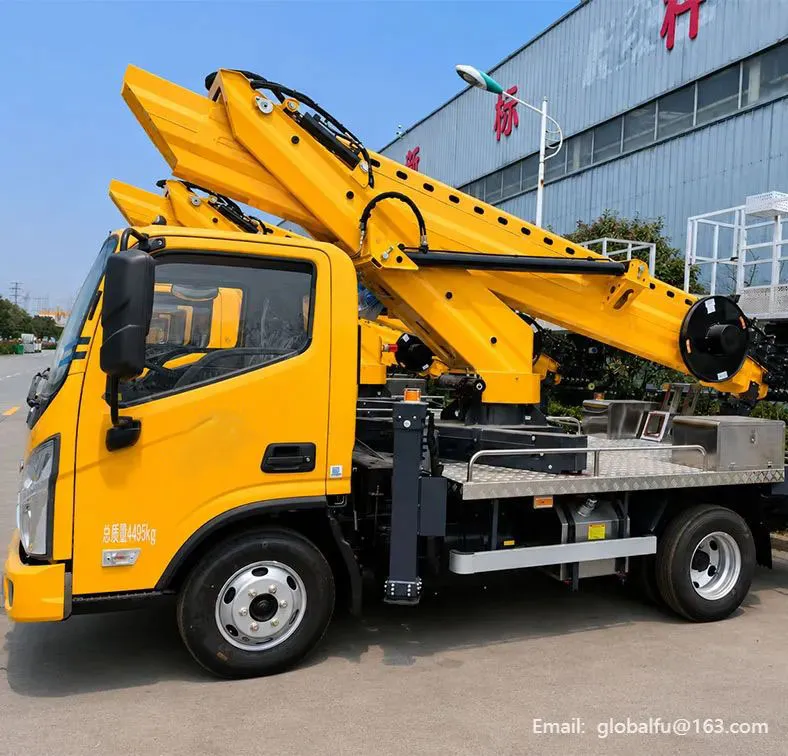
A truck mounted aerial platform combines an aerial lifting system with a road vehicle chassis.
Unlike a self-propelled aerial work platform that stays inside one project area, a truck mounted aerial work platform can travel between different locations.
This creates a major advantage:
Mobility.
For example:
A maintenance company may need to repair:
- Street lighting
- Traffic signs
- Utility lines
- Building façades
- Public infrastructure
A truck mounted aerial platform can drive directly between locations without requiring separate transportation equipment.
However, the design also has limitations.
Before operation, the truck requires:
- Parking position
- Outrigger deployment
- Ground leveling
- Stability confirmation
The operating footprint can become larger than the vehicle itself because of outrigger extension.
Kaishun Truck Mounted Aerial Platform Range
Kaishun supplies truck-mounted platforms with two main working-height configurations:
| Specification |
28 m Platform |
30.5 m Platform |
| Rotation |
360° continuous |
360° continuous |
| Platform Rated Load |
200 kg |
200 kg |
| Control System |
Remote + Manual, CAN bus |
Remote + Manual, CAN bus |
| Leveling System |
Hydrostatic auto-leveling |
Hydrostatic auto-leveling |
| Safety System |
Emergency pump, outrigger interlock |
Emergency pump, outrigger interlock |
Both models provide:
- Road mobility
- High working height
- Professional access capability
- Remote operation options
- Stable elevated work operation
Kaishun provides ISO 9001 and CE marking at the manufacturing level. Certificate documents are provided according to shipment requirements rather than published as general claims.
Why Choose a Truck Mounted Aerial Work Platform?
A truck mounted aerial platform is especially useful when the work location changes frequently.
Typical users include:
- Municipal contractors
- Utility companies
- Infrastructure maintenance teams
- Rental companies
- Construction service providers
Compared with a self-propelled boom lift, the main advantage is transportation efficiency.
The machine can:
- Drive to the project location
- Set up stabilizers
- Complete elevated work
- Move to the next location
For businesses handling multiple daily service points, this workflow can significantly reduce transportation requirements.
Telescopic Boom Lift: The Type That Needs a Straight Answer
A telescopic boom lift is designed for one main purpose:
Horizontal outreach.
Unlike a scissor lift, which moves mainly upward, a telescopic boom lift extends outward and upward.
This makes it suitable for situations where workers need to:
- Reach over obstacles
- Access building structures
- Work around equipment
- Reach elevated areas away from the machine base
A boom lift is often used in:
- Large construction sites
- Industrial maintenance
- Steel structure installation
- Building exterior work
However, boom reach also creates limitations.
As the boom extends:
- Load capacity can decrease
- Stability requirements increase
- Ground conditions become more important
The maximum height number alone does not show the complete working capability.
The important specification is the actual load chart at the required outreach distance.
Telescopic Boom Lift: The Type That Needs a Straight Answer, Not a Sales Pitch
A telescopic boom lift is designed for one main purpose:
Horizontal outreach.
Unlike a scissor lift, which moves mainly upward, a telescopic boom lift extends outward and upward. This allows operators to reach elevated work areas that are not directly above the machine base.
A telescopic boom lift is commonly selected for:
- Steel structure installation
- Building façade maintenance
- Industrial equipment servicing
- Large construction projects
- Outdoor elevated work
- Infrastructure maintenance
The main advantage is reach.
The main limitation is that reach changes the machine’s operating conditions.
As the boom extends:
- Rated platform capacity may decrease
- Stability requirements become more important
- Ground conditions become more critical
- Operator planning becomes more complex
This is why a buyer should not select a boom lift only by maximum height.
The correct comparison should include:
- Maximum working height
- Maximum horizontal outreach
- Platform load capacity
- Terrain conditions
- Required access path
- Safety systems
For projects requiring access around obstacles, a boom lift may be the correct solution.
For projects requiring only vertical elevation, a scissor lift may provide a simpler and more economical option.
This is also why Kaishun explains different types of aerial work platforms based on application rather than only product category.
Kaishun does not currently manufacture self-propelled telescopic boom lifts or articulated boom lifts. However, understanding these machines helps buyers select the correct aerial lift equipment instead of choosing a machine based only on height numbers.
Comparing the Three Main Types of Aerial Work Platforms
The best aerial work platform depends on how workers need to reach the elevated work area.
The following comparison shows the main differences:
| Factor |
Scissor Lift |
Truck Mounted Aerial Platform |
Telescopic Boom Lift |
| Main movement |
Vertical elevation |
Vehicle-mounted elevated access |
Vertical + horizontal outreach |
| Working platform position |
Above machine base |
Extended from truck chassis |
Extended through boom system |
| Best application |
Indoor and flat-ground work |
Mobile maintenance and service |
Construction with obstacles |
| Ground requirement |
Flat and stable |
Space for outriggers |
Firm outdoor terrain |
| Mobility |
Self-propelled movement |
Road transportation |
Self-propelled site movement |
| Main advantage |
Stable platform area |
Travel between locations |
Flexible reach |
| Main limitation |
Limited outreach |
Setup footprint |
Reduced capacity at full reach |
| Typical users |
Contractors, facilities, warehouses |
Municipal and utility companies |
Construction and industrial teams |
Choosing the correct type of aerial work platform requires understanding the actual work environment.
A machine that works well inside a warehouse may not be suitable for a highway maintenance project.
A truck-mounted platform that works well for street lighting may not replace a boom lift on a complex steel installation project.
Matching the Aerial Work Platform Type to the Actual Job
Selecting the right aerial work platform starts with the job requirements, not the equipment catalog.
Before purchasing or renting an AWP, professional buyers should evaluate several factors.
1. Check Ground Conditions First
Many buyers begin with height requirements.
However, ground conditions often decide whether the equipment can operate safely.
Questions to ask:
- Is the surface concrete, asphalt, gravel, or soil?
- Is the area flat?
- Is there enough space for stabilization?
- Are there slopes or uneven sections?
A self-propelled scissor lift is excellent on suitable surfaces.
A crawler-mounted aerial platform may be better for softer ground conditions.
A truck mounted aerial platform requires enough space for outriggers.
2. Measure Access Requirements, Not Only Height
Maximum height is only one specification.
A project may require:
- Vertical access
- Horizontal reach
- Access around obstacles
- Multiple working positions
- Large platform area
For example:
A ceiling installation project may only require vertical elevation.
A building exterior project may require a boom that reaches around structures.
The correct machine depends on how workers need to access the work area.
3. Consider How Many Locations Need Service
A single construction area and a city-wide maintenance project have different requirements.
For a fixed project:
A self-propelled aerial platform may be suitable.
For multiple daily locations:
A truck mounted aerial platform may provide better efficiency.
Examples include:
- Street lighting maintenance
- Utility inspection
- Roadside repair
- Sign installation
- Municipal service
The best aerial equipment is the one that reduces total project time, not necessarily the one with the highest specification number.
Important Specifications When Choosing an Aerial Work Platform
For international buyers searching for an aerial work platform for sale, the specification sheet should include more than working height.
Key specifications include:
| Specification |
Why It Matters |
| Working height |
Defines maximum elevated access |
| Platform height |
Actual basket elevation |
| Platform capacity |
Determines workers and tools allowed |
| Horizontal outreach |
Important for boom applications |
| Machine width |
Determines access through narrow areas |
| Turning radius |
Affects jobsite mobility |
| Drive system |
Influences terrain capability |
| Safety features |
Supports safe operation |
| Transport dimensions |
Important for logistics |
| Maintenance requirements |
Affects long-term cost |
Professional buyers should also request:
- Load charts
- Operation manuals
- Maintenance schedules
- Spare parts information
- Certification documents
For construction companies and equipment distributors, these documents are often as important as the machine itself.
Aerial Work Platform Safety: What Buyers Should Know
Safety is a critical factor when selecting any elevated work platform.
A high-quality machine requires both:
- Proper equipment design
- Correct operation procedures
Important safety features may include:
- Emergency stop controls
- Emergency lowering system
- Platform gate interlock
- Tilt protection
- Automatic braking
- Outrigger monitoring
- Load protection system
- Fault diagnosis
Operators should also understand:
- Maximum platform load
- Weather restrictions
- Ground conditions
- Overhead hazards
- Correct setup procedures
The machine’s safety system cannot replace operator training.
A complete aerial platform safety program should include:
- Equipment inspection
- Operator training
- Daily checks
- Correct positioning
- Maintenance records
- Emergency procedures
This is especially important for companies operating multiple machines across different projects.
Platform Training and Safe Use of Aerial Lifts
Proper platform training is essential before operators use an aerial work platform.
Training should cover:
- Machine controls
- Emergency operation
- Load limits
- Ground assessment
- Safety procedures
- Inspection requirements
Different equipment types require different operating knowledge.
For example:
A scissor lift operator must understand:
- Platform loading
- Surface stability
- Vertical lifting limits
A truck mounted aerial platform operator must understand:
- Outrigger setup
- Vehicle positioning
- Roadside hazards
A boom lift operator must understand:
- Outreach limitations
- Load charts
- Swing radius
Safe operation depends on matching operator knowledge with machine design.
Why Choose Kaishun as an Aerial Work Platform Supplier?
For global construction buyers, choosing an aerial work platform manufacturer is about more than purchasing equipment.
International projects require:
- Reliable manufacturing
- Export experience
- Technical communication
- Spare parts support
- Customization capability
- Long-term supplier cooperation
Kaishun Machinery operates as a China-based construction equipment supplier serving:
- Construction contractors
- EPC companies
- Machinery distributors
- Equipment rental companies
- Infrastructure project teams
- Mining and remote project buyers
Our aerial access equipment range includes:
- Self-propelled scissor lifts
- Crawler-mounted scissor lifts
- Truck mounted aerial platforms
Beyond aerial equipment, Kaishun also supplies:
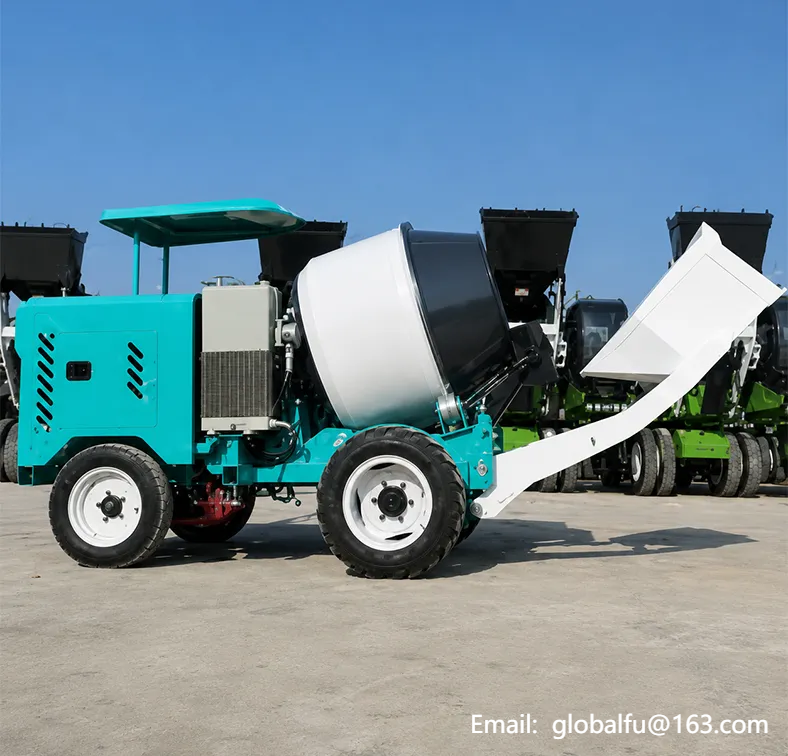
- Self-loading concrete mixers
- Wheel loaders
- Rough-terrain forklifts
- Telehandlers
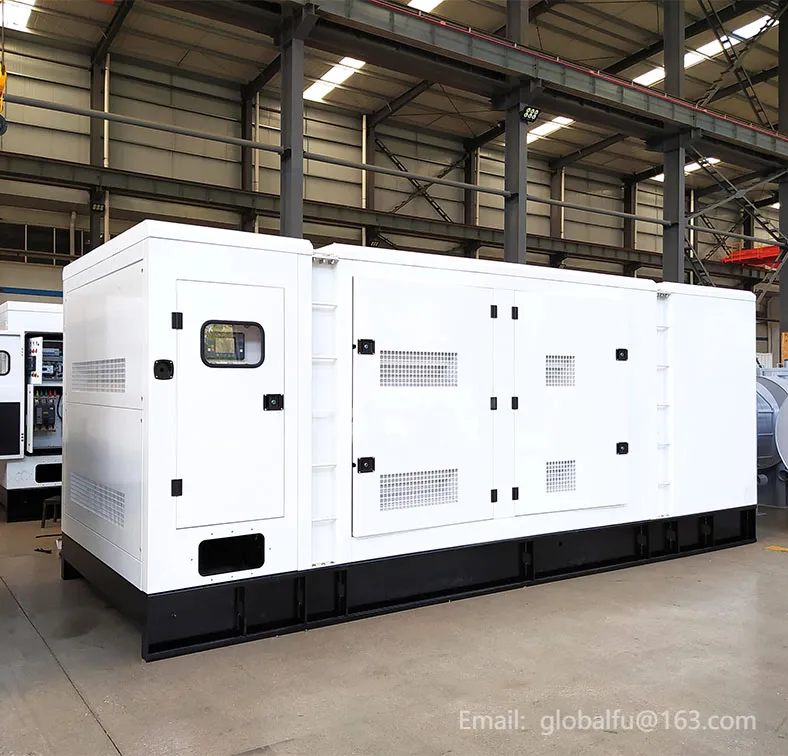
- Generator sets
- Lowbed semi trailers
- Prefab houses
This allows customers to combine multiple machines into one project procurement plan.
For example, a remote construction project may require:
- Concrete production equipment
- Temporary power supply
- Material handling equipment
- Elevated access equipment
- Site accommodation facilities
Working with one supplier can simplify:
- Equipment selection
- Export documentation
- Shipping coordination
- Spare parts planning
- After-sales communication
Why International Buyers Prefer Integrated Construction Equipment Solutions
A single machine rarely completes a large engineering project.
Construction companies often need multiple categories of equipment during different project stages.
For example:
Foundation Stage
Required equipment:
Installation Stage
Required equipment:
Remote Project Operation
Required equipment:
- Prefab houses
- Power equipment
- Transport equipment
Kaishun’s one-stop equipment approach helps international buyers reduce supplier coordination complexity.
The goal is not simply selling an aerial platform.
The goal is helping customers build a reliable project equipment system.
How to Request an Aerial Work Platform Quotation
When contacting an aerial platform manufacturer, provide as much project information as possible.
Recommended information:
- Required working height
- Platform capacity
- Indoor or outdoor application
- Ground conditions
- Number of working locations
- Transportation requirements
- Destination country
- Certification requirements
- Quantity required
This information allows suppliers to recommend the correct machine configuration.
A buyer looking for an aerial work platform supplier should compare not only price but also:
- Product suitability
- Manufacturing capability
- Technical support
- Delivery experience
- After-sales service
FAQ
Can a scissor lift replace a telescopic boom lift?
Not always. A scissor lift provides mainly vertical access, while a telescopic boom lift provides horizontal outreach. If workers need to reach around obstacles, a boom lift may be the better solution.
What is the difference between an aerial lift and an aerial work platform?
An aerial work platform is a broad category of equipment designed for elevated access. An aerial lift may describe different lifting machines, including boom lifts, truck-mounted platforms, and other elevated access equipment.
Are truck mounted aerial platforms suitable for construction projects?
Yes. Truck mounted aerial platforms are commonly used for maintenance, infrastructure projects, utility work, and construction applications where equipment needs to move between multiple locations.
What factors should I consider when choosing an aerial work platform?
Consider:
- Working height
- Platform capacity
- Ground conditions
- Horizontal reach
- Application type
- Transportation requirements
- Safety systems
- Maintenance support
- Does Kaishun manufacture boom lifts?
No. Kaishun currently manufactures self-propelled and crawler scissor lifts, as well as truck-mounted aerial platforms. Self-propelled boom lifts are not currently part of the product line.
How do I choose the right aerial work platform for my project?
Start with the actual work requirement:
- Where must workers reach?
- How high is the working area?
- Are there obstacles?
- Is mobility required?
- What ground conditions exist?
The correct aerial work platform is the one that matches the complete working environment.
Final Thoughts: Choosing the Right Aerial Work Platform Type
The best aerial work platform is not always the highest machine or the largest model.
It is the machine that matches the work.
A scissor lift provides stable vertical access.
A truck mounted aerial platform provides mobile elevated access.
A telescopic boom lift provides horizontal outreach around obstacles.
Each design has a point where it stops being the ideal solution.
For international construction companies, EPC contractors, distributors, and project buyers, equipment selection should consider more than specifications.
Reliability, customization, logistics, spare parts, and after-sales support all influence project success.
Kaishun Machinery helps global customers select suitable construction equipment and develop integrated project solutions.
Contact Kaishun Machinery with your working height, application, project location, and equipment requirements. Our team can help you select the right aerial work platform configuration for your project.











 September 05, 2026