Choosing the wrong loader can slow a jobsite, waste fuel, and raise handling costs. The problem grows when buyers compare only price, not bucket capacity, weight, attachment options, parts support, or shipping. The solution is simple: match the machine to the real work.
A wheel loader is construction equipment used to load, carry, move, and stockpile material such as dirt, sand, gravel, rock, feed, pallets, and snow. The right model depends on bucket capacity, operating weight, engine power, site condition, attachment needs, dealer support, and long-term parts availability.
What Is a Wheel Loader and Why Is It So Versatile?
A wheel loader is a wheeled loading machine with a front bucket or other attachment. People also call it a front end loader, end loader, wheeled loader, or loader shovel. The words may change by region, but the main job is the same: lift, carry, and load material fast.
On a construction site, this tool may load sand into trucks in the morning, handle pallets at noon, move dirt in the afternoon, and clear snow before the next shift. That is why buyers often call it one of the mostversatile machines in a mixed equipment fleet.
According to ISO 7131, loaders are part of earth-moving machinery, and commercial specifications often include the machine, equipment, and attachments used for earth-moving operations. That matters because a buyer should not judge only the base product. The bucket, fork, tire, axle, frame, and application setup matter too.
Why Do Construction Buyers Still Choose Front End Loaders?
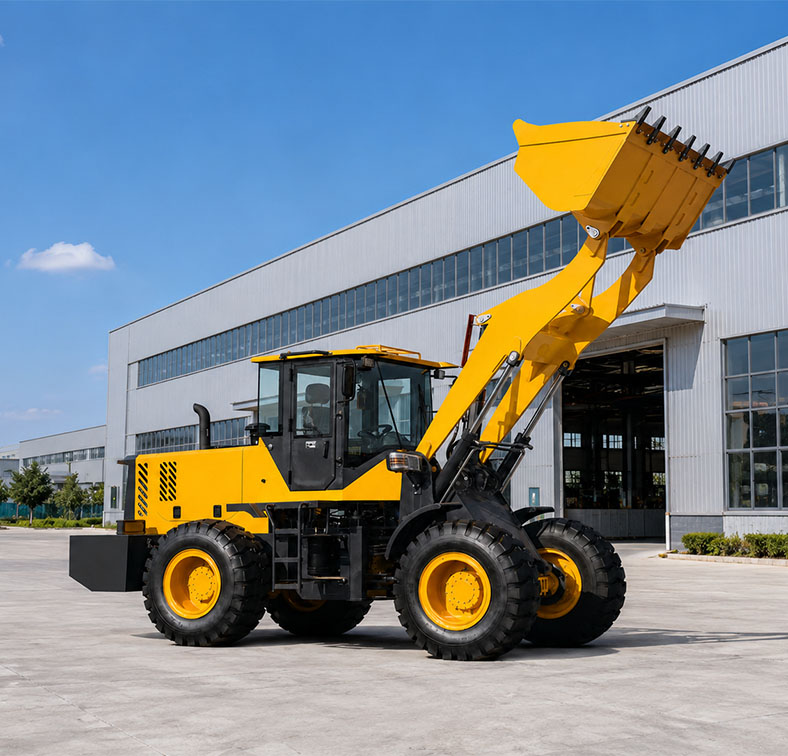
For many contractors,front end loaders are the “daily workhorse.” They are not always the biggest machine on site, but they often work the most hours. Their strong point is speed: short loading cycles, fast travel across the yard, and quick material transfer between stockpiles, trucks, mixers, and processing areas.
A wheel loader can help construction teams reduce waiting time. For example, when concrete mixers need aggregates, the loader keeps the material moving. When a road crew needs gravel, the loader fills trucks. When a warehouse needs pallet movement, the loader can use forks instead of a bucket.
That makes this equipment useful for contractors, EPC companies, dealers, rental fleets, farms, ports, and mining-related projects. Kaishun Machinery positions its loader range as part of one-stop construction machinery procurement, alongside concrete mixers, rough-terrain forklifts, telehandlers, generator sets, lowbed semi-trailers, and prefab houses.
Compact Wheel Loaders or Large Wheel Loaders: Which Type Fits Your Job?
A small site does not always need a large machine. In fact, oversized equipment can become a problem when the working space is tight. Compact wheel loaders are often better for farms, warehouses, landscaping yards, small building projects, and rental companies that need easy transport and flexible daily use.
Large wheel loaders make more sense when the job involves heavy material, bigger piles, longer shifts, and more truck loading. A large model usually gives more bucket volume, more weight, more power, and stronger breakout force. But it also needs more space, more fuel, and more transport planning.
Here is a simple selection view:
| Job Condition |
Better Starting Option |
Why It Works |
| Small farm, warehouse, or light site transfer |
Compact wheel loader |
Easier to operate in narrow areas |
| Sand and gravel yard |
Mid-size loader |
Balanced bucket capacity and handling speed |
| Quarry or heavy stockpile work |
Large wheel loader |
More power and stronger loading performance |
| Mixed rental business |
Small to mid-size model |
Easier to match different customers |
| Port or industrial yard |
Loader with fork and bucket options |
Better material-handling versatility |
The key is not to buy the biggest model. The key is to buy the correct model.
How Should You Compare Wheel Loader Model, Weight, and Bucket Capacity?
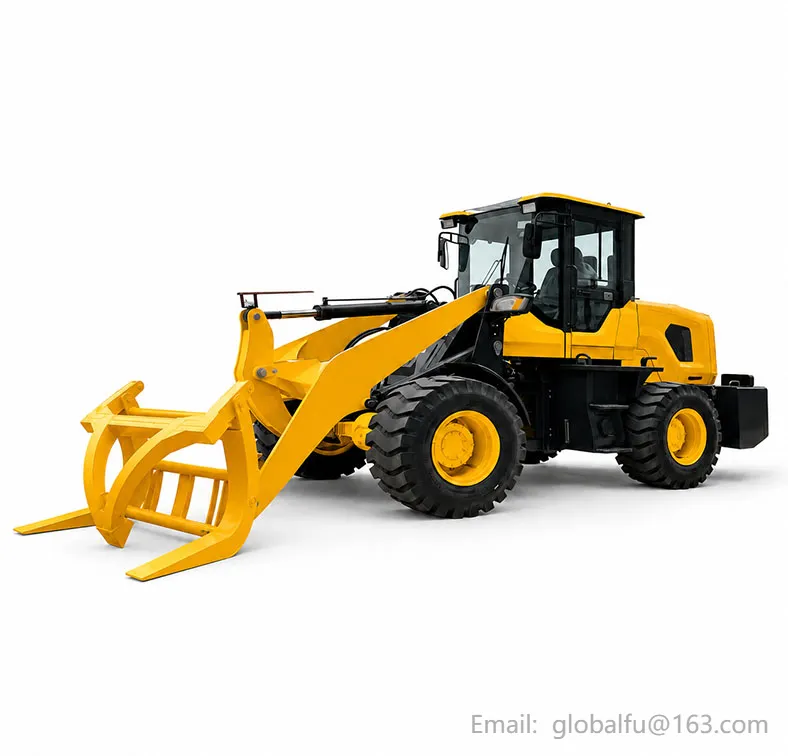
The three first numbers to check are model, operating weight, and bucket capacity. These values tell you how the machine may behave in real work. A heavier loader can usually support more stable loading, but too much weight can create transport or ground-pressure concerns. A larger bucket can move more material, but only when the machine has the power and frame to handle it.
Kaishun’s wheel loader lineup includes ZL918, ZL920, ZL932, ZL938, ZL940, ZL946, and ZL948. On the Kaishun wheel loader page, listed rated loads range from 1500kg to 3000kg, and bucket capacities range from 0.7m³ to 1.2m³.
| Kaishun Model |
Rated Load |
Bucket Capacity |
Common Selection Logic |
| ZL918 |
1,500 kg |
0.7 m³ |
Small sites, farms, and light material handling |
| ZL920 |
1,500 kg |
0.7 m³ |
Construction material handling and compact site work |
| ZL932 |
1,600 kg |
1.0 m³ |
General jobsite loading |
| ZL938 |
1,800 kg |
1.1 m³ |
Sand, gravel, and medium-duty site use |
| ZL940 |
1,800 kg |
1.1 m³ |
Roadwork and construction yards |
| ZL946 |
3,000 kg |
1.2 m³ |
Heavier loading and larger projects |
| ZL948 |
3,000 kg |
1.2 m³ |
Heavy-duty yard and infrastructure work |
A smart buyer should ask: What material will we load? How dense is it? How far must we carry it? How often will the machine operate each day? These questions matter more than a nice brochure photo.
What Bucket and Attachment Options Should a Dealer Consider?
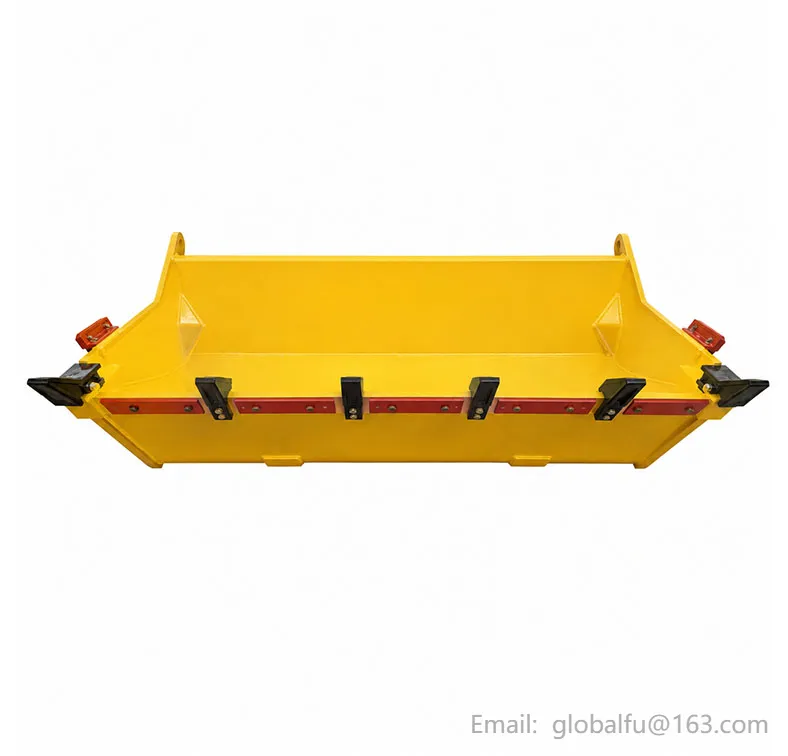
The bucket is not just a metal scoop. It affects loading speed, spillage, wear, and daily productivity. For loose sand, a standard bucket may be fine. For rock, a reinforced rock bucket is safer. For pallets, a fork attachment changes the loader into a more flexible material handling machine.
Kaishun lists optional attachment choices such as pallet forks, log grapples, snow blades, sweepers, rock buckets, large buckets, quick hitches, and other customized tools on its wheel loader page. This is important for dealers and rental companies because one base machine can support many customers when the attachment package is planned well.
Common attachment planning:
- Bucket for sand, gravel, soil, and bulk material
- Pallet forks for bricks, blocks, bags, and packaged goods
- Log grapple for timber yards
- Sweeper for site cleaning
- Snow blade for winter operation
- Rock bucket for quarry or rough material
- Quick hitch for faster tool changes
This is where a supplier with OEM/ODM customization can help. A buyer may need a different color, logo, bucket edge, hydraulic connection, or market-specific configuration. A low initial price can look attractive, but a compatible attachment system often creates more value over time.
Why Are Frame Design, Power, and Engine Configuration So Important?
A loader is only useful when it can work under pressure. The frame, axle, counterweight, boom, engine, hydraulic system, and tire setup all affect performance. When the design is weak, operators feel it quickly: shaking, slow response, unstable loading, and higher repair risk.
Kaishun’s wheel loader page highlights reinforced frame structure, stable articulated design, heavy-duty axle and counterweight, and upgraded engineering bucket features. These points are practical because loaders often work on uneven ground, mixed surfaces, and repeated loading cycles.
Engine and fuel choices should match the target country and local emission rules. For some markets, buyers must review nonroad diesel engine regulations before placing an order. The U.S. EPA provides regulations for heavy equipment with compression-ignition engines, which shows why emission configuration should be confirmed by market before shipping.
Wheel Loader vs Track Loaders: Which Equipment Works Better?
A wheel loader works best on relatively firm ground where speed and travel distance matter.Track loadersm are often better on soft ground, muddy areas, and surfaces where traction is more important than speed. Neither type is “better” for every job. The right choice depends on the ground condition and the material.
For many construction buyers, the wheeled machine wins when the task is loading trucks, moving aggregates, working in yards, and carrying material across short to medium distances. It is also easier to move between different areas of a site.
Here is a quick comparison:
| Factor |
Wheel Loader |
Track Loader |
| Travel Speed |
Usually faster |
Usually slower |
| Ground Pressure |
Higher than tracked machines |
Lower ground pressure |
| Tire/Track Wear |
Tire wear depends on the operating surface |
Track wear can be costly |
| Best Use |
Yards, roads, stockpiles, and loading |
Mud, soft ground, and grading support |
| Transport |
Often easier |
May require more planning |
The simple rule: choose wheels for speed and yard productivity; choose tracks when ground contact is the main limit.
How Do Brands Like Volvo, Caterpillar, and John Deere Shape Buyer Expectations?
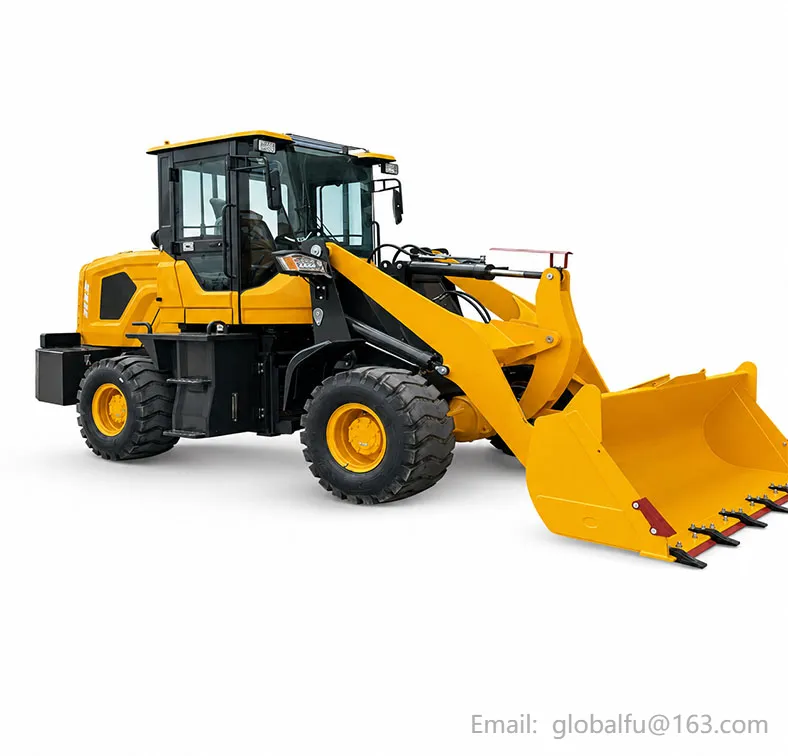
Many buyers search for Volvo, Caterpillar, John Deere, Komatsu, JCB, and other loader models before contacting a China-based supplier. That is normal. Big brands shape expectations around cab comfort, machine reliability, hydraulic response, dealer support, resale value, and parts supply.
But for many international buyers, especially dealers and project contractors, the final decision is not always about the famous brand. It is about the total business package: model match, cost control, customization, shipping plan, spare parts support, and response speed.
Kaishun Machinery should not position itself as a copy of any brand. A better position is clearer: a China-based B2B construction machinery supplier offering practical loader products, OEM/ODM options, consolidated shipping, and one-stop equipment procurement for global engineering projects. That gives importers, distributors, and contractors a real reason to start a conversation.
> A good loader purchase is not just a machine purchase. It is a supply-chain decision.
What Should You Ask a Wheel Loader Dealer Before Buying?
A serious dealer or supplier should help you match the loader to your working condition, not push the same unit to every customer. Before buying, ask clear questions. Keep them practical.
Key questions to ask:
1. What rated load and bucket capacity fit my material?
2. What is the operating weight and transport size?
3. Which engine and emission option fits my country?
4. Can I choose a different bucket or attachment?
5. What spare parts are available for daily maintenance?
6. Can the loader be shipped with other equipment to save freight?
7. Can the company support OEM color, logo, and configuration requests?
8. What after-sales support is available after delivery?
OSHA’s powered industrial truck guidance reminds employers that industrial trucks require safe operation, training, and attention to workplace hazards. While rules vary by country and equipment type, safety planning should always be part of the purchase process.
How Can Integrated Shipping Reduce Wheel Loader Procurement Cost?
For overseas buyers, the machine price is only one part of the final cost. Shipping, customs documents, spare parts, attachments, packaging, and local unloading can change the real purchase result. This is where integrated procurement can make a big difference.
Kaishun’s broader product range allows buyers to combine wheel loaders with self-loading concrete mixers, generator sets, rough-terrain forklifts, lowbed semi-trailers, aerial work platforms, telehandlers, and prefab houses. For a contractor starting a remote project, this kind of bundled plan can reduce supplier communication and improve shipping coordination.
A typical project package might include:
| Project Need |
Possible Equipment |
| Concrete Production |
Self-loading concrete mixer |
| Aggregate Loading |
Wheel loader |
| Site Power |
Diesel generator set |
| Heavy Machine Transport |
Lowbed semi-trailer |
| Worker Support |
Prefab house |
| High-position Handling |
Telehandler |
This is not about buying more machines for no reason. It is about building an efficient fleet for one job, one region, and one project schedule.
What Applications Make Wheel Loaders a Smart Business Tool?
A loader can support many industries because it is a simple idea done well: lift, move, load, repeat. In construction, it handles sand, gravel, soil, bricks, blocks, and road base. In farms, it can carry feed, fertilizer, pallets, and bulk goods. In ports and warehouses, it can support loading and unloading when matched with forks.
For mining and quarry work, the machine must be stronger. Rock, uneven ground, and long hours demand reinforced structure, careful bucket selection, and stable operation. For snow regions, a snow blade can turn the loader into a winter maintenance tool.
Main application areas include:
- Building construction
- Road and bridge projects
- Sand and gravel yards
- Farms and agricultural storage
- Mining and quarry sites
- Warehouses and ports
- Municipal maintenance
- Rental fleet business
This wide application range is why buyers often see the loader as a long-term fleet asset rather than a single-use product.
How Should You Evaluate Wheel Loader Price Without Choosing the Cheapest Machine?
A low price can look good on day one and painful on day ninety. The better question is: what does the loader cost per working hour across its real service life? That includes fuel, spare parts, downtime, tire wear, operator comfort, repair access, shipping, and resale potential.
Do not compare price without comparing the model, weight, bucket capacity, engine option, attachment package, and warranty terms. A cheaper loader with the wrong bucket or weak parts support may slow the job and cost more later.
A practical price review should include:
| Cost Factor |
Why It Matters |
| Base Machine Price |
Determines the initial purchase cost |
| Attachment Package |
Determines job flexibility |
| Spare Parts |
Affects the risk of downtime |
| Fuel and Maintenance |
Impacts daily operating costs |
| Shipping |
Can significantly affect the landed cost |
| Support |
Protects long-term business use |
For buyers in Russia, Australia, the Middle East, Southeast Asia, Africa, and other regions, local fuel quality, climate, road condition, and parts access should also guide selection. One country may prefer a simple engine setup; another may need a different emission option. Details matter.
Why Work With Kaishun Machinery for Wheel Loader Equipment?
Kaishun Machinery focuses on B2B construction machinery supply for global projects. The company offers wheel loaders as part of a broader equipment system that includes concrete mixers, generator sets, rough-terrain forklifts, telehandlers, aerial work platforms, lowbed semi-trailers, prefab houses, and supporting machinery.
This is useful for buyers who do not want to manage five different suppliers for one project. Kaishun supports integrated equipment procurement, OEM/ODM customization, consolidated shipping, spare parts supply, and after-sales support. That creates value for contractors, EPC companies, distributors, rental companies, mining projects, and private-label partners.
The real edge is not one single feature. It is the combination: practical machines, export experience, customization flexibility, and support for long-term cooperation. For a business buyer, that can be more important than chasing the lowest quote.
FAQs About Wheel Loader Equipment
What is the difference between a wheel loader and a front end loader?
In many markets, the terms mean nearly the same thing. A front end loader usually refers to a loader with a front bucket used for loading material. A wheel loader is the common industry term for the wheeled machine used in construction, farms, yards, and industrial sites.
Are compact wheel loaders suitable for construction work?
Yes, compact wheel loaders can work well on smaller construction sites, farms, warehouses, and narrow yards. They are easier to operate in tight areas, but buyers should still check rated load, bucket capacity, operating weight, and ground condition before choosing a model.
Can a wheel loader use forks instead of a bucket?
Yes, many loaders can use pallet forks when the machine and hydraulic setup are compatible. Forks are useful for pallets, blocks, bags, timber, and warehouse tasks. Always confirm attachment compatibility before ordering.
What information should I provide to get a wheel loader quotation?
Provide your required rated load, bucket capacity, material type, working ground, engine or emission requirement, attachment needs, quantity, destination port, and target application. This helps the supplier recommend a suitable model and shipping plan.
Is a wheel loader better than a bulldozer?
Not always. A loader is better for loading, carrying, and stockpile work. A bulldozer is better for pushing, grading, and land clearing. If your main job is to move loose material into trucks, a loader is usually the better option.
Can Kaishun help with OEM or private-label wheel loader orders?
Yes. Kaishun Machinery supports OEM/ODM customization, including machine color, logo, configuration choices, and project-based equipment matching. Private-label buyers should confirm branding details, documentation needs, and order quantity before production.
Conclusion: Choose the Loader That Fits the Work, Not Just the Price
A wheel loader is one of the most useful machines in construction and material handling. But the right choice depends on more than a product name. You need to compare model size, weight, bucket capacity, engine option, attachment package, jobsite condition, shipping plan, and supplier support.
Kaishun Machinery helps global buyers source practical construction equipment with integrated procurement, OEM/ODM customization, spare parts support, and export coordination. If you need a loader for construction, farms, ports, mining, sand and gravel yards, or rental business, start with your real working condition.
Tell us your material, bucket requirement, load demand, country, and shipping plan. We will help you match the right loader model and build a practical equipment solution for your project.











 July 25, 2026