Kaishun Engineering Team | Construction Equipment Content Team | Published September 18, 2026
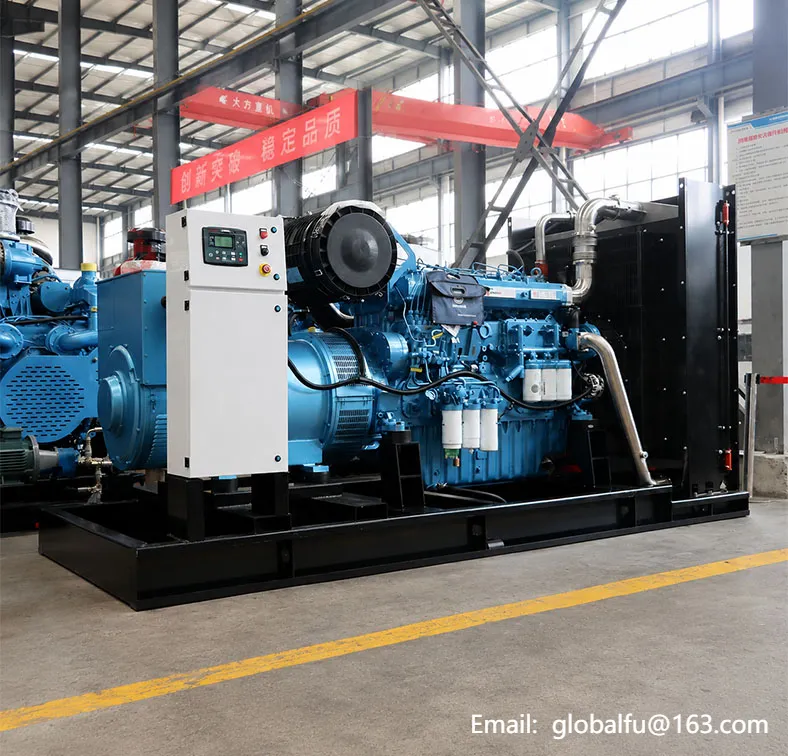
A genset is the complete power unit: engine, alternator, fuel system, control panel and frame, built to run independently. A generator, technically, is just the alternator — the component that converts mechanical energy into electricity. In practice, though, most people say “generator” when they mean the whole unit.
The Technical Difference
Strip it down to parts, and the distinction is simple. An alternator (sometimes called a “generator end”) does exactly one job: it spins inside a magnetic field and produces electrical current. On its own, it does nothing — it needs an external engine to turn it.
A genset packages that alternator together with everything needed to make it self-sufficient:
1.An engine (diesel, gas, or occasionally gasoline) supplying mechanical energy
2.An alternator converting that mechanical energy into electrical output
3.A fuel system feeding the engine
4.A control panel for monitoring voltage, frequency, and run status
5.A frame or skid holding all of it together as one transportable unit
So a “generator” in the narrow technical sense is component 2 on that list. A genset is the whole assembly. If someone hands you a bare alternator with no engine attached, that’s a generator but not a genset — it can’t produce power by itself.
Why “Generator” Usually Means “Genset” Anyway
Here’s where the terminology gets loose, and it’s not a mistake so much as how the language settled. When someone says “I need a backup generator for the site,” they mean the complete self-contained unit — engine, alternator, fuel tank, control panel, all of it. Nobody buying backup power is shopping for a bare alternator.
This matters more for non-native English speakers researching suppliers than it does for native speakers, who default to “generator” without a second thought. If you search “generator for sale” and a supplier shows you a full engine-driven unit, that’s correct — they’re using the common meaning, not the narrow technical one. If a listing shows only an alternator with no engine, read the spec sheet carefully before assuming it’s ready to run.
Where the Confusion Actually Costs You Money
The terminology mix-up rarely causes a real problem. What does cause problems is not checking whether a “generator” listing includes the engine, fuel system, and control panel, or whether it’s sold as separate components you’d need to assemble and wire yourself. A handful of industrial suppliers still sell bare alternators to customers who already own a compatible engine — usually for repowering an existing unit, not for a first-time buyer.
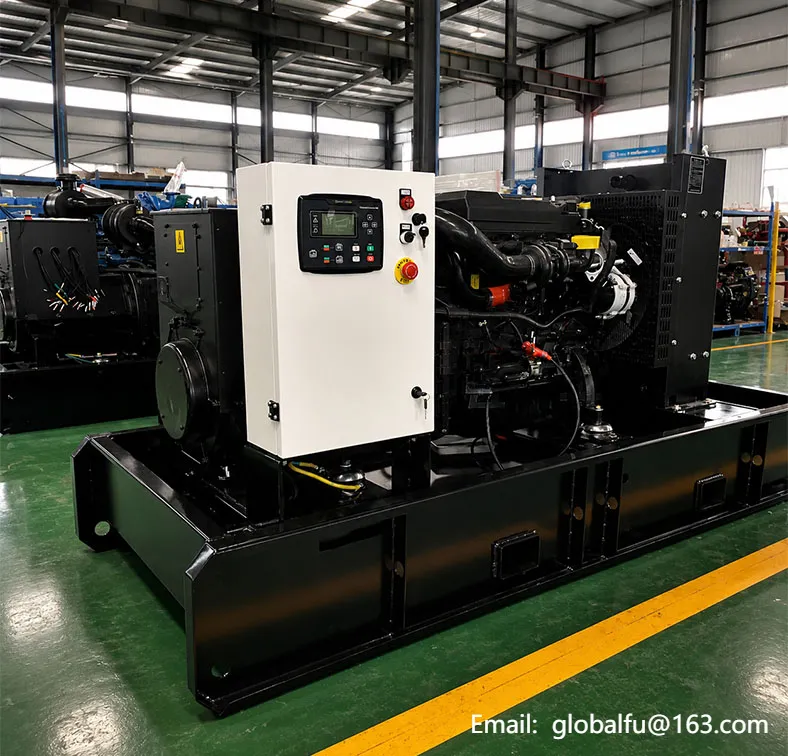
For anyone buying power equipment for a construction site, a remote camp, or standby power for a facility, you want a complete genset: engine and alternator matched, tested, and shipped as one unit. Asking a supplier directly — “does this include the engine, or just the alternator?” — clears up the ambiguity faster than parsing product names.
Generator Set Parameters, for Reference
Once you’re past the terminology question and into an actual purchase, gensets are specified by prime power, voltage/frequency, and engine brand rather than by the generator-vs-genset distinction. As a reference point:
| Spec |
Range |
| Prime power (diesel) |
8–3,000 kW |
| Voltage/frequency |
50Hz/400V or 60Hz/480V |
| Engine brands |
Perkins, Cummins, Weichai, Yuchai |
| Gas genset range |
60–1,500 kW (natural gas / biogas) |
| Enclosure types |
Open, silent (canopy), trailer-mounted, containerized |
These figures apply to diesel and gas generator sets built as complete engine-alternator units — not bare alternators. If you’re at the stage of comparing kW ranges and enclosure types rather than terminology, a fuller breakdown of how to size and configure a unit is worth reading before you request quotes.
FAQ
Q: Is it wrong to call a genset a “generator”?
A: No. It’s the common usage almost everyone follows, including most manufacturers and suppliers in casual product naming. The technical distinction only matters if you’re specifically shopping for a bare alternator rather than a complete unit.
Q: Does “genset” always mean diesel?
A: No. Genset just describes the engine-plus-alternator configuration — the engine can run on diesel, natural gas, biogas, or gasoline. Diesel and gas gensets are both common in construction and industrial settings, each suited to different fuel availability.
Q: If I’m requesting a quote, should I say “genset” or “generator”?
A: Either works with most suppliers. If there’s any ambiguity — for example, you’re comparing a listing that seems unusually cheap — confirm explicitly that the quote includes the engine, alternator, control panel, and frame as one assembled unit.
Q: What’s the difference between a generator and an alternator?
A: In everyday use, none — “generator” and “alternator” are often used for the same component. Technically, “alternator” refers specifically to AC-producing generators, which cover the overwhelming majority of gensets on the market today.











 September 18, 2026